
A Different Way to Learn.
Madrasatul Ulomi Wal Hikam was born from a simple but important question: how can Islamic knowledge, contemporary education and character formation come together to prepare a generation for both faith and life?
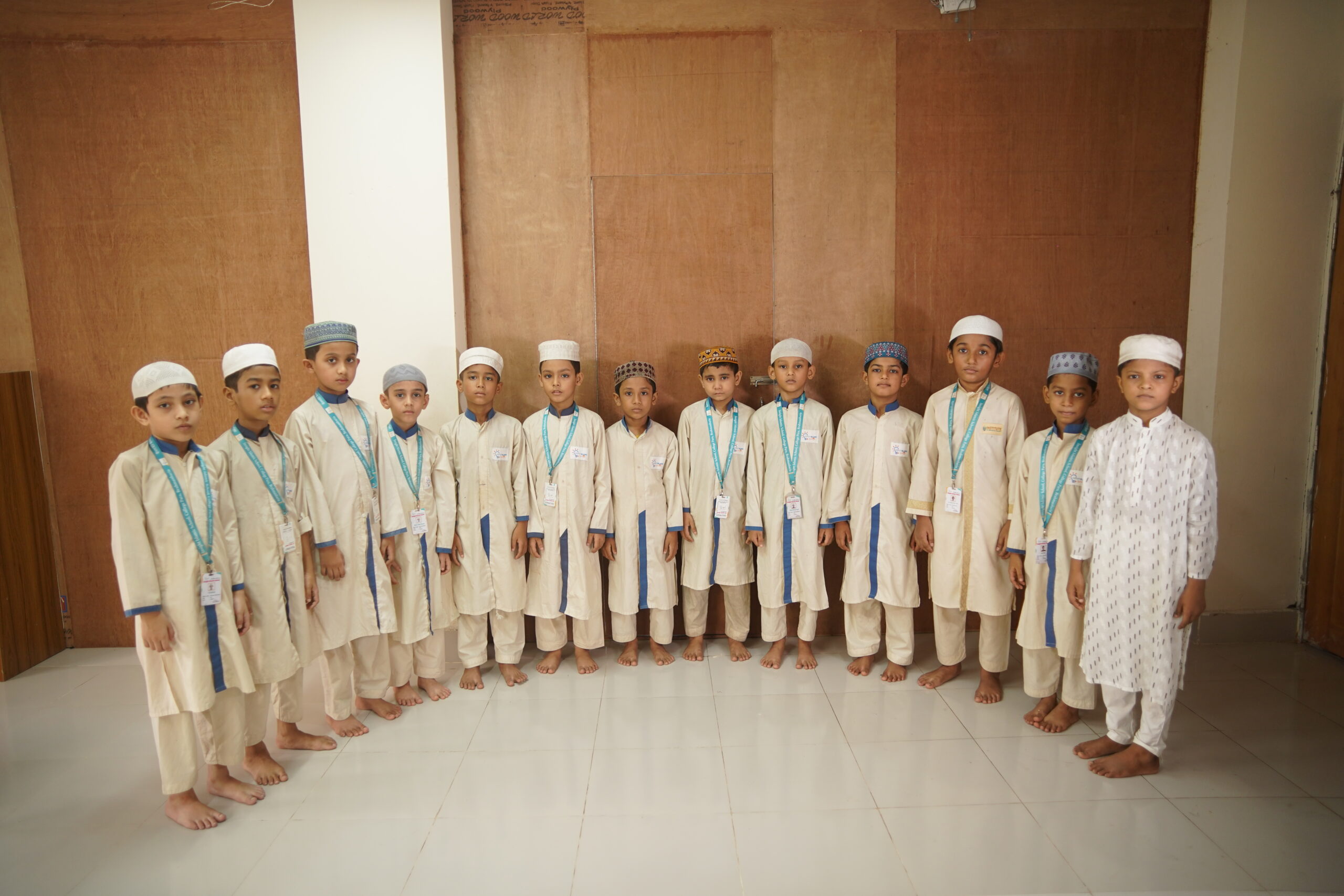 OUR JOURNEY
Education is more than what happens inside a classroom.
Every educational institution begins with a belief about what education should ultimately achieve. For IIT, that belief grew from a desire to create education that develops not only knowledge, but also faith, character, thought and responsibility.
The journey began with a recognition that education in our society had gradually become divided into different streams. Islamic education and modern academic education often developed separately, leaving a gap between religious understanding, contemporary knowledge and practical life.
Madrasatul Ulomi Wal Hikam emerged as part of the response to that challenge — creating an environment where Islamic scholarship, Qur’anic learning, academic education and real-world understanding can develop together.
The Question Behind the Journey.
Before building an institution, there had to be a reason. The question was not simply what to teach, but what kind of person education should help create.
Two Educational Streams
Traditional madrasa education provides deep exposure to Qur’an, Hadith, Fiqh and Islamic scholarship. Modern education provides access to science, technology, languages and the wider body of contemporary knowledge.
A Gap That Needed Bridging
When these two worlds remain disconnected, students may receive knowledge from one side while remaining unfamiliar with the strengths of the other. The challenge was to create a meaningful bridge rather than simply choosing one over the other.
Not simply adding modern subjects to Islamic education — but creating integration.
The vision is to develop learners who can understand their faith deeply, engage with contemporary knowledge confidently and carry Islamic principles into their personal, professional and social lives.
A Vision That Became a Journey.
The Idea
The initial vision took shape among five brothers with a shared concern for the quality, purpose and direction of education.
Research & Preparation
Educational ideas were explored, institutions were observed and the possibilities of a more meaningful educational model were studied.
From Idea to Action
On 1 January 2022, IIT began its operational journey, turning years of thought and preparation into real educational work.
Building the Vision
Madrasatul Ulomi Wal Hikam represents one expression of that wider vision — dedicated to Islamic scholarship, education and service.
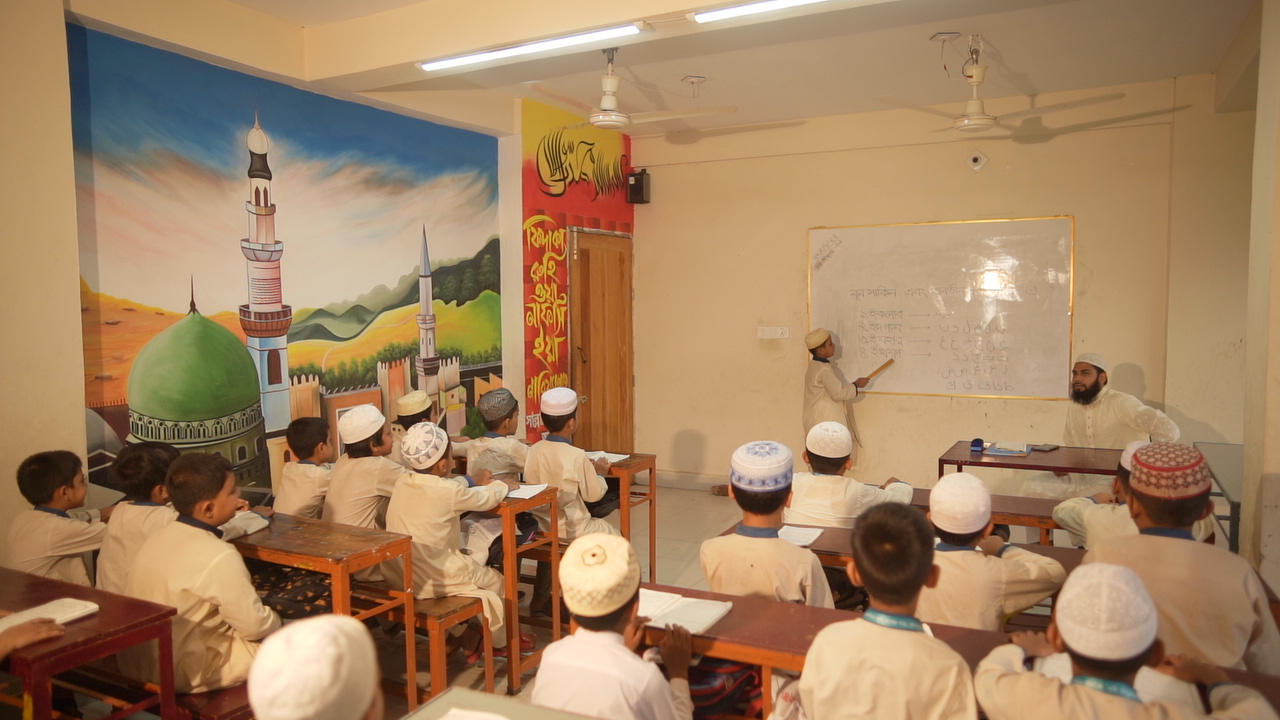
Rooted in Tradition. Ready for the Future.
Madrasatul Ulomi Wal Hikam seeks to preserve the depth and authenticity of Islamic learning while preparing students to understand and participate responsibly in the contemporary world.
Its educational vision therefore extends beyond memorisation and examination toward understanding, application, research and character.
- Qur’anic learning and Hifz
- Authentic Islamic Studies
- General Academic Education
- Advanced Islamic Jurisprudence
- Islamic Economics and contemporary issues
More Than a Madrasah.
Qur’anic Foundation
Qur’an, Tajweed, Nazirah, Hifz, revision and understanding form a central foundation of learning.
Islamic Scholarship
Hadith, Aqeedah, Fiqh, Seerah, Akhlaq and other Islamic disciplines develop depth of understanding.
Academic Knowledge
Languages, mathematics, science, ICT, humanities and contemporary knowledge remain part of the pathway.
Specialised Studies
Ifta, Islamic Economics and advanced areas of Islamic scholarship open a pathway toward higher learning.
Five Pathways. One Vision.
An integrated educational pathway bringing Qur’anic learning, Islamic scholarship, academic education and specialised studies into one broader educational vision.
Qur’an & Hifz
Nurani, Nazirah, Tajweed, Hifz, revision and understanding.
Islamic Studies
Qur’an, Hadith, Aqeedah, Fiqh, Seerah and Akhlaq.
General Academic Education
Mathematics, Science, Languages, ICT and Humanities.
Ifta
Advanced Islamic jurisprudence, Fiqh research and Fatwa studies.
Islamic Economics
Islamic finance, business ethics, economic principles and contemporary issues.
Building Education With Purpose.
To establish a meaningful educational environment where students can develop religious understanding, academic knowledge, ethical awareness and practical competence for responsible participation in society.
Knowledge That Shapes Life.
Education should not remain confined to textbooks. It should influence how a person thinks, behaves, serves others and lives according to principles.
Learning That Becomes Character.
The purpose of education is ultimately reflected in the learner’s character, discipline, responsibility and ability to contribute meaningfully to society.
That is why Islamic values are not treated as a separate subject only. They are intended to influence the culture of learning, behaviour and everyday life.
- Faith and spiritual development
- Knowledge and intellectual growth
- Adab, Akhlaq and responsibility
- Research and critical thinking
- Leadership and service
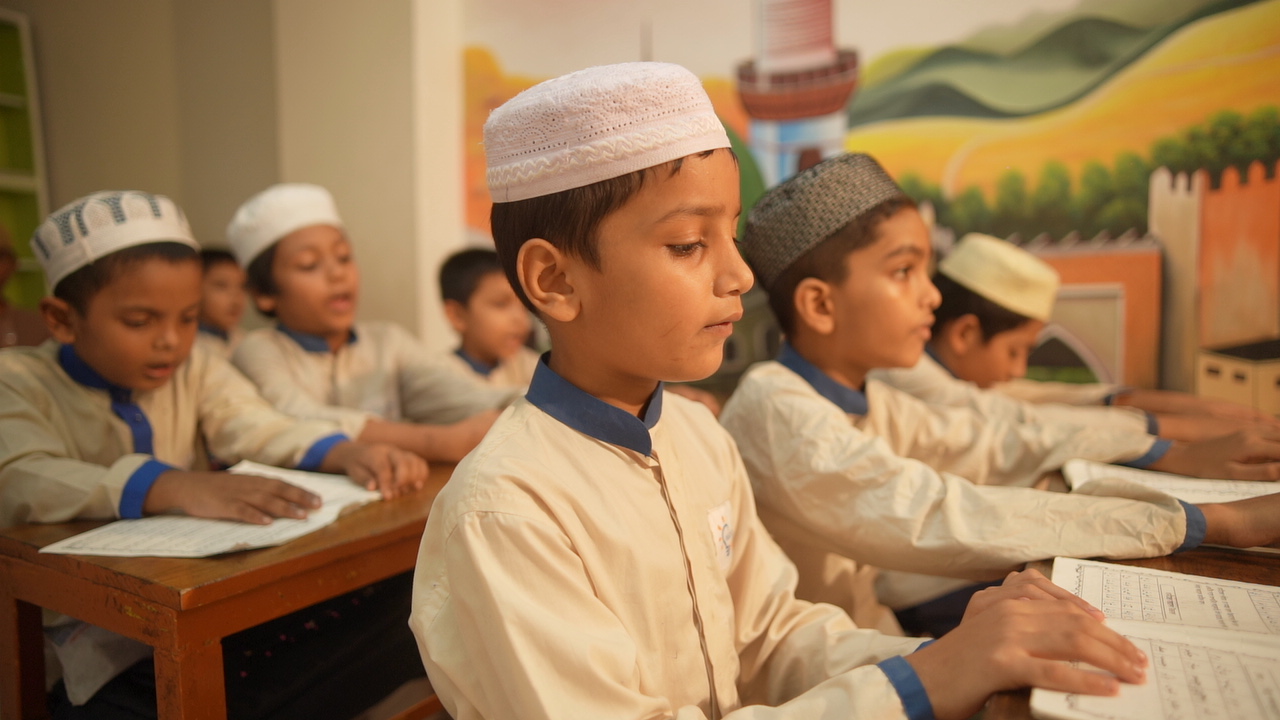
Preparing Scholars, Thinkers & Responsible Citizens.
The journey does not end with establishing an institution. The larger ambition is to contribute to the development of Islamic scholarship, strengthen Arabic and Islamic education, encourage research and prepare learners who can understand their faith, engage with the modern world and serve society with wisdom and responsibility.