

From Fiqh Knowledge to Fiqh Application.
An advanced, focused and residential pathway for qualified students who seek deeper understanding of Islamic jurisprudence, contemporary Fiqh and the art of Fatwa.
 ADVANCED FIQH STUDY
A Serious Scholarly Responsibility.
Ifta is not simply another Islamic studies course. It is a specialised and responsible field in which students develop the ability to understand complex Fiqh questions and work toward sound, evidence-based answers.
Qualification requires appropriate prior learning, sustained study and close guidance. For that reason, the programme is intentionally selective and focused.
The goal is to prepare students for genuine scholarly responsibility—not merely to complete a short course and receive a certificate.
Built for Serious Study.
The Faculty is designed around quality, concentration and scholarly depth rather than large-scale intake or short-duration study.
Selective Admission
Entry is based on the student’s prior Islamic qualification and successful completion of the required written and oral assessment.
Residential Learning
The programme is designed as a full-time, residential academic commitment so that students can give sustained attention to their studies.
Close Supervision
A focused cohort allows more meaningful academic guidance, discussion, review and supervision throughout the programme.
Contemporary Fiqh
The programme gives importance to modern questions of Fiqh, Muamalat, business, economics and other emerging issues.
Scholarly Environment
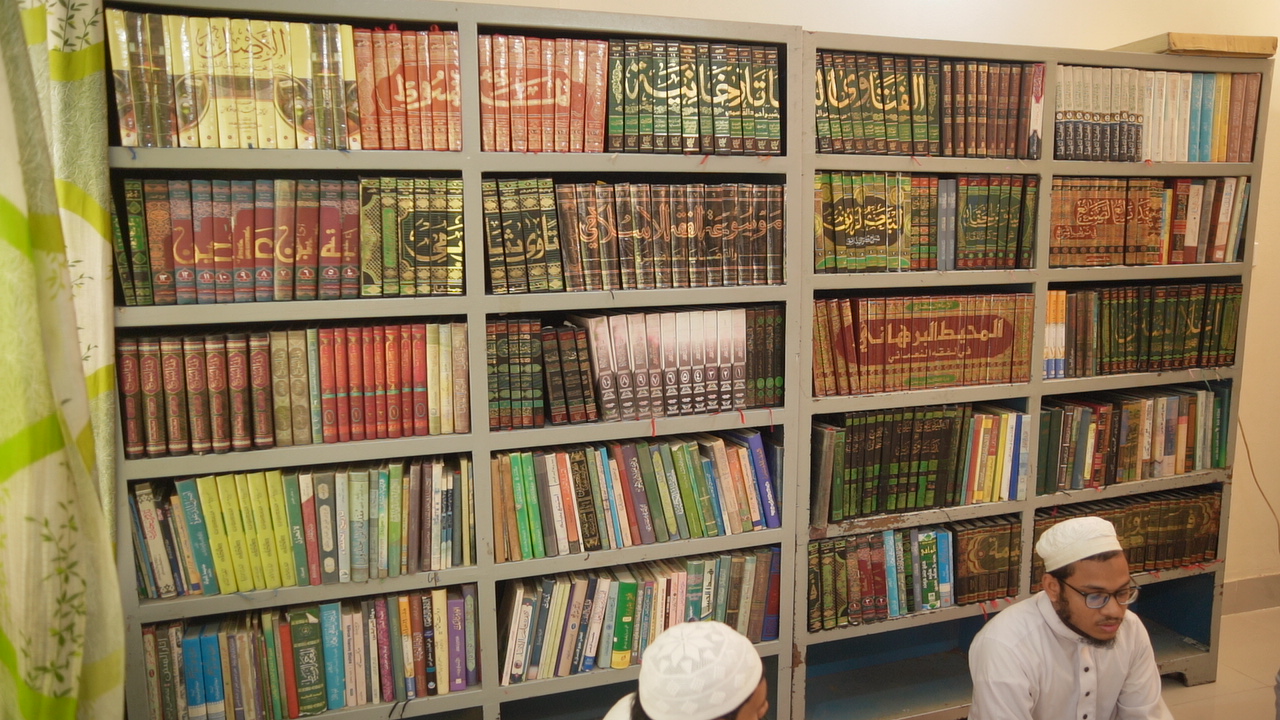
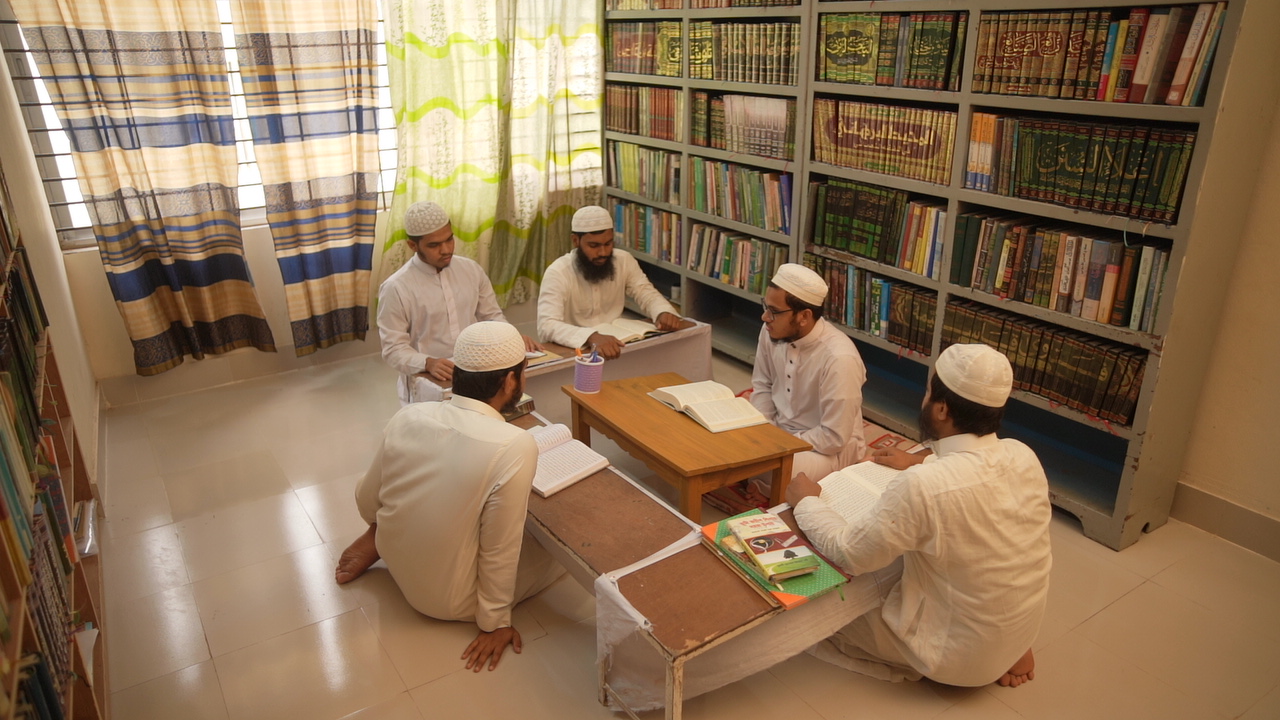
A dedicated study environment and extensive Islamic reference materials support deeper reading and research.
Practical Application
Students are encouraged to connect classical Fiqh principles with real questions arising in contemporary society.
 SELECTIVE ADMISSION
The Standard Begins Before Admission.
Because Ifta is a specialised and responsible field, admission is intentionally limited. Students are selected according to their previous Islamic academic preparation, suitability and assessment performance.
Dawrah Hadith Qualification
Applicants must have successfully completed Dawrah Hadith with the required academic standard.
Written Assessment
Written assessment is part of the selection process to evaluate academic readiness.
Oral Assessment
An oral assessment helps determine the applicant’s suitability for advanced study.
Final Selection
Written and oral performance, academic readiness and suitability are considered in the final selection process.
Small Cohort. Deeper Attention.
The Faculty intentionally keeps the number of students very limited. According to the admission notice you provided, only 8 students are selected.
The purpose is not exclusivity for its own sake. A smaller cohort allows a more focused academic environment, closer supervision and greater opportunity for scholarly discussion and correction.
Study Without Distraction.
The supplied admission information specifies that the Ifta programme is fully residential. This supports the concentration required for serious specialised study.
A Programme That Demands Focus.
Ifta is not structured as a side programme to be casually pursued alongside unrelated professional or public commitments.
- Full residential commitment
- Dedicated study routine
- Focused academic environment
- Continuous scholarly engagement
A Space for Deep Learning.
The residential model creates space for concentrated reading, discussion, revision, research and academic supervision.
- Dedicated study time
- Reference-based learning
- Teacher guidance
- Scholarly discussion
From Classical Fiqh to Fatwa.
The programme connects foundational Fiqh knowledge with the skills required to engage responsibly with real-world questions.
Deep Fiqh Understanding
Building the ability to engage carefully with Islamic legal principles, evidence, rulings and scholarly positions.
- Fiqh principles
- Comparative understanding
- Application of legal principles
Responsible Fatwa Training
Developing careful research and reasoning skills so that future scholars can approach questions with appropriate scholarly responsibility.
- Question analysis
- Evidence-based study
- Scholarly answer formation
Contemporary Fiqh
Connecting classical scholarship with new questions emerging from contemporary social and economic life.
- Modern social questions
- Business and finance
- Emerging Muamalat issues
CONTEMPORARY MUAMALAT
Fiqh for the Real World.
One of the distinctive emphases highlighted in the supplied information is Islamic Economics and Muamalat.
This creates a bridge between classical jurisprudence and the questions people actually face in business, finance, transactions and contemporary economic life.
Islamic Economics
Exploring economic activity through Islamic legal and ethical principles.
Business & Transactions
Studying practical questions related to commercial activity and transactions.
Contemporary Questions
Engaging with new forms of Muamalat and real-world Fiqh questions.
A Library-Led Learning Culture.
The images you provided show a dedicated Ifta learning environment surrounded by a substantial collection of Islamic reference books. This visual identity is important: Ifta is fundamentally a reading, research and scholarly discipline.
REFERENCE LIBRARY
Guided by Scholarly Expertise.
The programme is presented as a supervised scholarly pathway rather than independent self-study.
Mufti Mainuddin
Academic and scholarly supervision of the Ifta Faculty.
Mufti Asadullah
Supporting academic coordination, student supervision and the day-to-day scholarly environment.
Not Just Knowing the Ruling. Understanding the Responsibility.
The ultimate purpose of the Ifta Faculty is to nurture scholars who can approach Fiqh questions with knowledge, discipline, responsibility and sound scholarly judgement— especially when dealing with the complex realities of contemporary life.
Preparing Scholars for Real Questions of Real Life.
Through selective admission, residential study, close Mufti supervision, extensive reading, Fiqh research and a special emphasis on contemporary Muamalat and Islamic Economics, the Ifta Faculty seeks to prepare students for the serious responsibility of understanding and applying Islamic jurisprudence in the realities of modern life.